How to Create Online Tutorials - The Ultimate Guide |
If you've ever had to learn how to accomplish something, you've probably seen an online video tutorial. From cooking to auto mechanics, photoshop to bookkeeping, there are tutorials for all the things under the sun.
There are tutorials that you can view on YouTube for 30 seconds to get the info that you require. Some are advanced, in-depth tutorials you'll purchase. But all have something that they all have in common: they'll give you practical steps for doing things you've always wanted to achieve.
This guide we'll show you how you can create an online tutorial. If you have something you want to instruct online, but you're looking for an alternative method to an online class Tutorials can provide an interactive, targeted approach to sharing your knowledge.
We'll teach you how you can create online tutorials that will impress your viewers. We'll reveal the secret to creating a good tutorial and show you how to make it happen, design it, and ultimately sell it. Then, we'll guide you through creating your own tutorial with .
If you're in need of more assistance for building your online class and community, join OUR Mighty Community for free as well as meet fellow new and experienced community managers! We'd love to have you join us. Join for free!
This post...
1. How to create online tutorials that make a difference Five tips
2.Planning your online tutorial
2.1. Select your perfect student
2.2. Choose your learning objective
2.3. Choose your delivery model
4. What you'll need for creating an online course
4.1. Gear
4.2. Screen software for capturing screens
4.3. Platform
5. How to monetize an online course
5.1. Advertising or Affiliate Marketing
5.2. Selling into coaching or consultancy
6. How to create online tutorials with
6.1. Set up your tutorial
6.2. Select live or. recordings
6.4. Invite your members!
6.5. Deliver the tutorial
How do you create online tutorials that are a hit five techniques
If you're wondering what you can do to make online tutorials, we should set down a couple of most effective practices before getting into the nuts and bolts of how to actually do this. The following are the five key elements to creating an effective online tutorial
- Keep a tight focus: By definition, a tutorial must be and focused. This isn't an online course, which has a broader area of coverage (although the online course may have tutorials included). Have a specific learning goal and a narrow target.
- Show don't tell It's true that even in college a tutorial is about how to apply material. Make sure your course includes a lot of application. Some of the best videos are simply recordings of your performing some thing.
- Find out who they are for: We'll discuss this in the next section however, creating a tutorial should not be solely focused on content you wish to distribute - you'll only determine this by figuring out the audience for it.
- Simple: Most of the time, the best instructional videos are easy. Forget about complicated tech or advanced editing techniques, or detailed slide shows - instead, just give people the information they'd like to see.
- Bring your personality: A 15-minute tutorial from a robotic voice reading scripts will cause your viewers to succumb to boredom. Bring some personality to the online tutorial!
Get With a Free Trial Credit card not needed.
Planning your online tutorial
Select your perfect student
A most important aspects to consider when you're creating an online course is the purpose of it.
If you're selling it, or not the tutorial must to focus on someone.
We often think of this as an ideal member or an ideal student. Basically, figure out one sort of person that this is aimed at. Most often, this is someone who has particular challenges.
Examples:
- A first-time small business owner having trouble with the tracking of inventory
- An accountant is learning about a new application
- Life coach who is learning how to use email to bring in customers
- A guide to levels in the newest video game
From entertainment to business There are plenty of people looking for tutorials.
If you know precisely what the most ideal student would like to get out of a tutorial, you can create it in their mind. Do not be scared to talk to or talk to a handful of ideal students to find out the particular challenges they face.
Choose your learning objective
You must then decide what your training will teach. This is called a learning objective. However, we prefer calling this a Big Purpose.
The Big Purpose of your tutorial is the outcome that your tutorial will give to the people that take the course. The best methods to define the purpose is to turn the idea into a Big Purpose declaration.
A Big Purpose Statement looks something similar to this:

Choose your delivery model
The next step is to decide how you'd like to deliver your online tutorial. Would you like to post the tutorial on YouTube without cost? Do you want to embed it on your company website with Vimeo?
Maybe you're looking to use a platform like for selling your course and start a company based on your expertise.

The major part of choosing the right delivery model will probably depend on two questions:
- What are you want? Whether you want a successful tutorial business, internet recognition for your game walks, or ensure that your company is an industry leader that you are in, you must decide what you want.
- What do your customers want Do they want to pay big money for your tutorial? Or are you just providing information that is easily found by doing a simple Google search?
Choose the appropriate technology
As you may have guessed, it is always necessary to have an element of technology for delivering an online instructional. Therefore, whether you think to be a technological person or not, you'll have to know how to do this.
Some tutorial creators choose to go with a screen-capture software like Camtasia that allows for pre-recording, editing, and recording tutorials. Some keep it simple and create a tutorial in the style of a webinar recording the Zoom webinar and then use this.
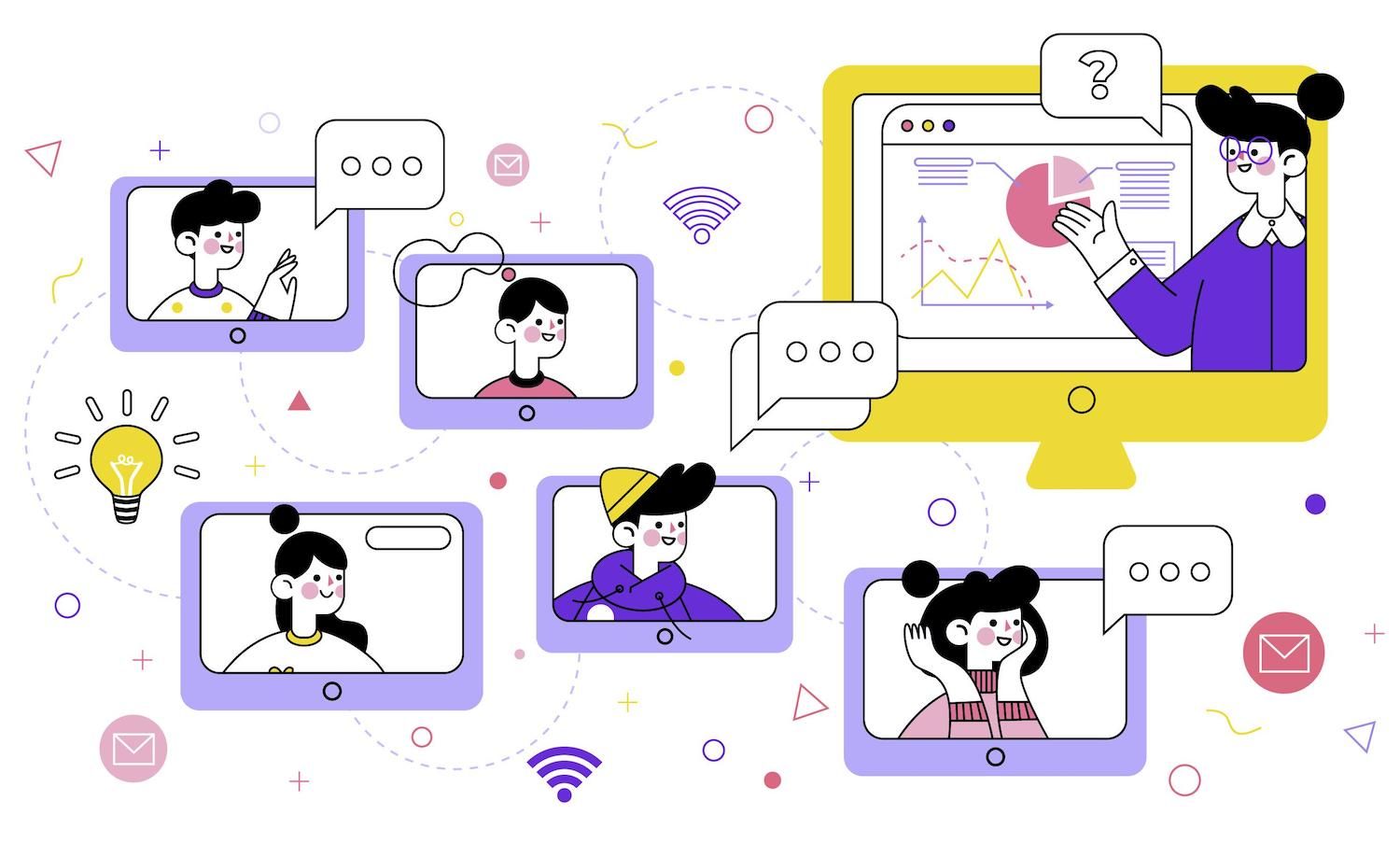
Additionally, you'll need an internet-based platform to distribute your instructional videos, whether that's a platform for free like YouTube or an online course platform. This will be discussed in more detail below.
Start With a Free Trial There is no credit card is required.
Inlining your content
Not the last, nor is it the last, after you've completed the steps above you can sketch out your ideas for your documents. Be simple. Resist the urge to give your students everything you have, and instead focus on delivering exactly what they require in order to meet their academic goals.
If you decide to create the presenter or not, is completely up your choice. If you do choose to read off a script, make sure you practice a lot and are familiar with the script. Practice to the point you can almost say the script without looking at it - this will allow you to bring lots of life to the speech.
You don't have write a create a script. A script might help the new speaker more at ease, it could be a hindrance and make the speech appear more boring.
Perhaps it's better to create an outline instead, and trust that if you are knowledgeable about your subject, you'll have a blast speaking about the subject! This is what you'll be able to do.
What you'll need to make an online tutorial
Gear
When you think about how you can create online tutorials, it's tempting to imagine that you'll need to buy $1,000 worth of gear to begin. There are a lot of gear options as well as a number of famous creators utilize the most effective.
Even if you're working with a tight budget, you can still have a fantastic result using minimal gear. Below are a few suggestions:
- Camera: If you're displaying on screen, a webcam or phone will work. You can try sitting with your camera in an open window with your eyes towards the sun. It's a good idea for capturing great footage without spending a lot of money. If you're interested think about purchasing an ring light that is a great tool for producing quality videos.
- Microphone Do a search on YouTube to tell you that sound is probably more vital than video. Most of us won't stop an ad due to shaky image quality, but scratchy audio is a non-starter. Find a device that can capture your voice well with your laptop's microphone. is probably not going to cut it. At a minimum, plug in a headset with microphone so that voice is heard close to the mouth. It is also possible to buy a budget USB microphone or lapel condenser mic to get a little extra audio quality.
Screen capture software
If you're demonstrating how you can do something using your computer screen, you'll need software to capture the screen. There are quite a few screens-recording software options that are free available.
Here's a second tip to make it simple. If you can present your instructional video via Zoom and share the screen and then record it, you'll be able to create a stunning video feed + screen grab with no fancy programs. For many tutorial-builders, it's enough.
Utilizing Zoom also means you don't have to edit the sound, video and screen captures together after. They'll already be connected. (Although you could consider making the backup of your video in case you have web connection issues during the tutorial. )
Platform
Then, and certainly not last first, you'll require a platform to host your tutorial! Again, choosing the best platform for your tutorial will depend entirely on what you're looking for!
If you're looking to share it with everyone for free, or maybe try to earn money from ads as well Affiliate marketing (below), you might opt for the YouTube channel .
If you want to advance sell tickets and/or deliver the tutorial live with a recording later, you could opt for a service like , which gives you everything you need to build a business from your tutorials.
If you work for an educational or corporate institution, you might just see it on the corporate site.
Once you know what you want from your tutorial, you'll be in a better position to select the appropriate technology.
Start your free Trial There is no credit card required.
How can you make money from an online tutorial
If you're considering what you can do to make on-line tutorials, then there's a good possibility that you're thinking of making money from the tutorial you've created. There are a bunch of different ways to do this that we'll discuss here:
Advertising or marketing through affiliates
Affiliate marketing is the most common method of monetizing tutorials for YouTube creators. With an affiliate marketing revenue model, creators can demonstrate with a product. Then, they are compensated by the firm if a customer purchases the product.
So, for example in the case of an online-design course using the help of a service similar to Wix and they were to join this Wix affiliate program and earn the commission each when they pay for the development of a new site using the affiliate hyperlink.
Ads work similarly to affiliate marketing, but with this type of model, you're paid for advertising the item - typically not connected to an affiliate hyperlink. If you had a partnership with a firm which offered you a fee to refer to an item at the start of a video, it would be an ad model.
Ads as well as affiliate marketing function well in conjunction, and many creators use both.
The issue with making money through advertising or affiliate marketing is that neither of them will provide a long-term income source unless you've got HUGE audience numbers. Let's say, for instance, 2percent of your visitors are likely to click on an affiliate link and 2 percentage of the people who click are actually buying the affiliate. If your affiliate offers you $70 commission per purchase, then you'll earn $140 per 5,000 views.
It's a great little bit of cash, but it's not really a viable business AND hardly a good reward for your effort.
Coaching or consulting
If advertising and affiliates don't make the money that people seem to think they are, can you suggest an alternative model?
Well, one great way to make money from your tutorials online is by upselling them into consulting or coaching. With this model of monetization that you offer your expertise for free on YouTube and then provide the option to let people hire you to guide them or talk to their coach to obtain the results they desire.
In this way the creation of tutorials not only helps individuals, however they could also build the brand. branding and assist you achieve success in your service-based enterprise.
Cost for tutorial
The most straightforward way to monetize a tutorial is probably just to charge for it. There aren't all tutorials an item that anyone would be willing to spend money on, but if you've chosen the right students and want to be educated, they should be willing to pay an access fee.
In this scenario it is possible to develop the course and then deliver it either live or pre-recorded (more about this later), and charge your members for it. The tutorial could stand on its own, or as an element of a bigger online class.
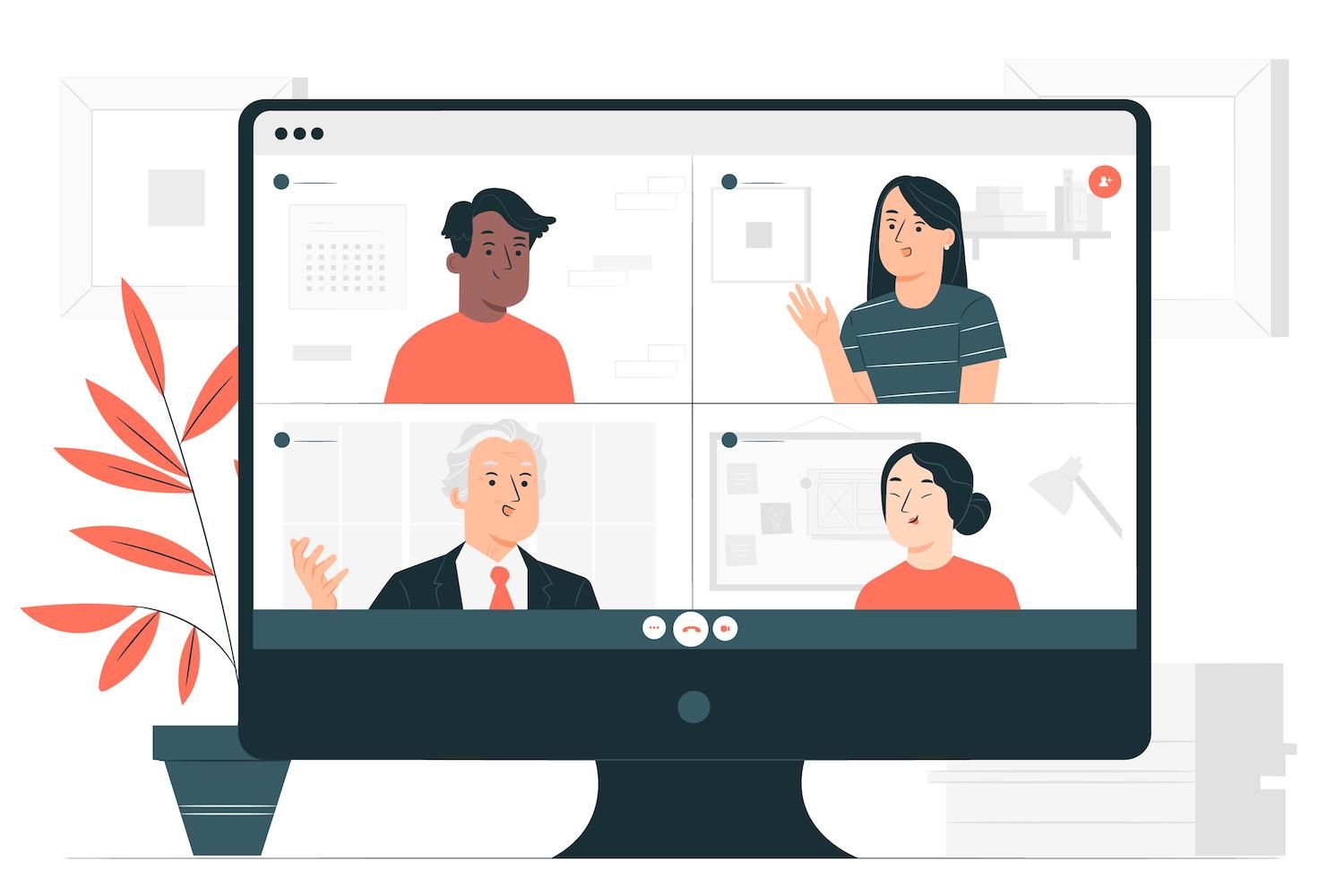
Doing this also creates opportunities for your students to be engaged with you and the content, have questions re-posed and to join discussions, and perhaps even pay for another tutorial.
Start Your Free Trial There is no credit card needed.
How can you make online tutorials using
If you're thinking of how to create online tutorials Let us show you how to do this with the help of the Mighty Network! Start for no cost and then follow the steps to create your own instructional video.
Set up your course
The initial step to launching a Mighty Network is to set up your new course. Go to Courses in the sidebar of your new Mighty Network and that will bring you to the course builder.
In default, we employ the phrase "Courses" within . Therefore, one of the initial actions to take is to quickly go into the course settings and rename our courses to "Tutorials"

Then, we can make our very first tutorial! After you tap"plus" or the "plus" icon under your tutorials tab It will offer you the opportunity to make another tutorial.

Then, you can configure all the essential details for your tutorial!
IMG
Live vs. recorded
The second thing you'll need to do is decide whether you want to deliver an in-person or recorded instruction. OR, you can combine both! It is possible to present your tutorial live and then make a video that you continue to offer access to. Furthermore, people who paid and watched live can go back and watch the tutorial again.
The HTML0 guide to asynchronous vs. synchronous courses here.
Create a tutorial bundle
The next step is to determine if and how much you'll charge for your tutorial. With a Mighty Network, you can make a charge of a one-time payment to teach your course, or you could set up a monthly or annually subscription fee, and provide access to the tutorial along with membership in your community.
Click "Charge for Access" and then your Mighty Network will walk you through building your initial tutorial plans.

Invite your friends!
When your tutorial is finished, you can invite members to join! Your Mighty Network gives you the possibility of inviting members by messaging and tagging existing members of the community, or sharing an invitation link with potential members! There are more details on this on this page.
If you make a video tutorial with , you also get a landing page for it that you can customize and distribute to potential students! You can buy directly through the landing page.
Send the instructional
If you're all set to give the lesson in either live, dripping the content, or delivering it all at once!

Conclusion
If you've completed the above steps and have discovered how to make online tutorials, it's time to start! Why not come and try making your own tutorials ? It's quick and easy and completely intuitive. In addition, it's more than simply a way to showcase your videos but provides everything you require to create an effective tutorial business!
Do not believe us when we say it, you can try it totally at no cost within 14 days. No credit card required!
Try building your first tutorial!